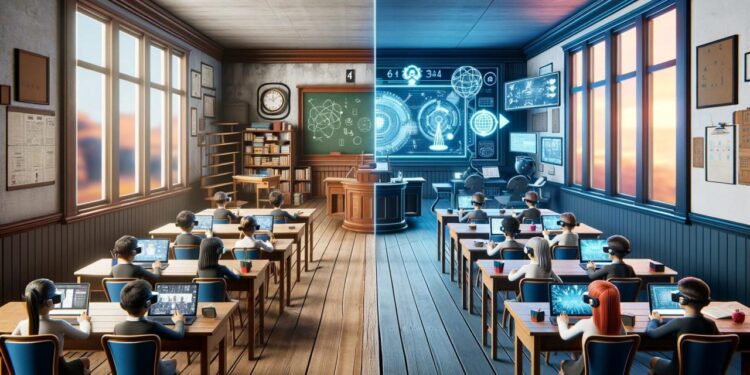
In the sprawling, interconnected digital landscape of the 21st century, social media platforms have evolved from mere social networking tools into fundamental pillars of daily life, especially for students. From the lecture halls of universities to the classrooms of high schools, the glow of smartphone screens is a ubiquitous sight. This integration prompts a critical question that educators, parents, and researchers have been grappling with for over a decade: What is the true impact of social media on academic performance? The answer is far from simple. Social media is not a monolithic force for good or evil; rather, it is a powerful double-edged sword, capable of both enhancing and eroding a student’s academic journey. This comprehensive analysis delves into the multifaceted relationship between scrolling and studying, exploring the cognitive pitfalls, the surprising benefits, and the strategic approaches necessary to harness its power for good.
A. The Allure of the Feed: Understanding Social Media’s Grip on the Student Mind
To comprehend social media’s impact, one must first understand its compelling nature. Platforms like TikTok, Instagram, YouTube, and Facebook are engineered to capture and retain attention through a potent mix of neurological and psychological triggers.
A. The Dopamine-Driven Feedback Loop: Every like, share, comment, and notification acts as a variable reward, triggering a release of dopamine in the brain. This is the same neurotransmitter associated with pleasure and reward in activities like eating or socializing. The unpredictable nature of these social validations creates a compulsive cycle, compelling users to check their phones incessantly, even during study sessions.
B. Fear of Missing Out (FOMO): Social media provides a curated, highlight reel of peers’ lives. Seeing friends post about parties, gatherings, or other activities while one is studying can induce anxiety and a sense of being left out. This FOMO can make dedicating uninterrupted time to academics feel like a social sacrifice, leading to divided attention and reduced study quality.
C. The Infinite Scroll and Time Distortion: The endless, algorithmically-curated content of social media feeds creates a phenomenon known as “time distortion,” where users lose track of time while engaged with the platform. A intended five-minute break can easily morph into a two-hour dive, significantly encroaching on time allocated for homework, revision, and projects.
B. The Academic Pitfalls: How Social Media Can Derail Student Success
The constant connectivity offered by social media presents several significant challenges to academic achievement, primarily through its effects on cognition, time management, and well-being.
A. Cognitive Overload and Fragmented Attention
The human brain has limited cognitive resources. Social media conditions the brain to process information in rapid, bite-sized chunks, constantly switching between topics and stimuli. This habit of “continuous partial attention” directly undermines the deep, sustained focus required for complex academic tasks like reading dense textbooks, writing research papers, or solving intricate mathematical problems. When a student attempts to study while simultaneously monitoring social media notifications, their brain is forced to multitask. Extensive neuroscientific research has shown that true multitasking is a myth; the brain is actually “task-switching,” which increases cognitive load, leads to more errors, and drastically reduces information retention. The result is that studying takes longer, and learned material is stored in a more shallow and fragile manner.
B. The Time Displacement Theory in Action
This is one of the most straightforward and impactful negative effects. The theory posits that time is a finite resource; time spent on social media is time not spent on academically purposeful activities. A student who spends three hours daily on social platforms has effectively lost 21 hours per week that could have been dedicated to studying, completing assignments, engaging in extracurricular activities, or getting adequate rest. This displacement directly correlates with poorer grades, as students are forced to cram or produce lower-quality work under tight deadlines. The procrastination enabled by an always-available digital distraction is a primary driver of this displacement.
C. Sleep Disruption and Its Cognitive Consequences
The impact of social media extends far beyond waking hours. Many students use their phones in bed, and the blue light emitted by screens suppresses the production of melatonin, the hormone responsible for regulating sleep-wake cycles. Furthermore, the engaging and sometimes emotionally charged nature of social media content can heighten cognitive arousal, making it difficult to wind down and fall asleep. Chronic sleep deprivation has a catastrophic effect on academic performance. It impairs critical thinking, problem-solving abilities, memory consolidation, and creativity all essential components of learning. A sleep-deprived student in a classroom is physically present but cognitively handicapped.
D. The Illusion of Multitasking and Reduced Learning Quality
Many students confidently claim they are effective multitaskers. However, studies consistently demonstrate that students who use social media during lectures or study sessions perform worse on subsequent tests than their peers who focus solely on the task at hand. Notes taken while distracted are less detailed and less organized. Concepts explained during a lecture are missed when a student is glancing at their phone. This creates gaps in understanding that compound over time, leading to a weaker foundational knowledge in the subject matter.
E. The Impact on Mental Health and Academic Motivation
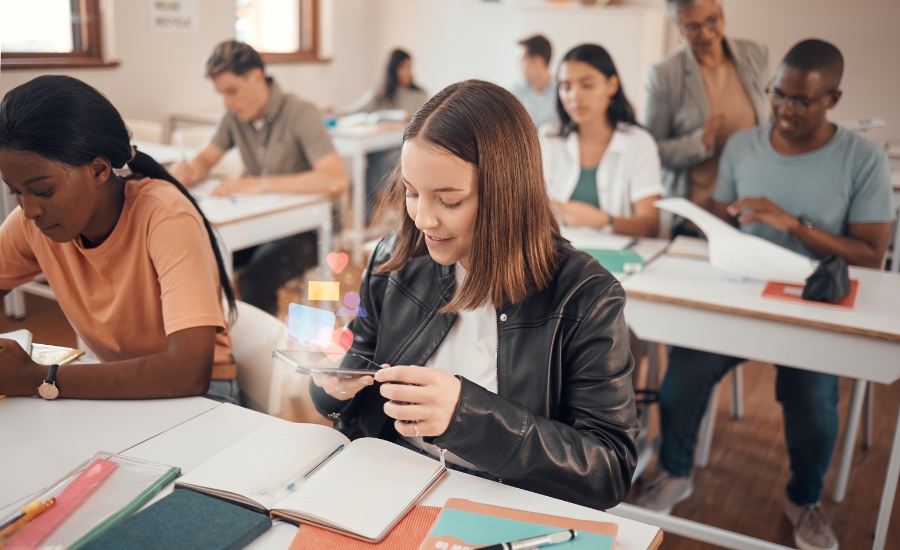
While not solely caused by social media, its use can exacerbate mental health challenges that directly affect academic drive. Constant social comparison can fuel feelings of inadequacy, anxiety, and depression. Witnessing the perceived success and happiness of others can diminish a student’s self-esteem and motivation for their own academic pursuits. When a student is struggling with their mental health, their energy, focus, and resilience—all necessary for overcoming academic challenges are significantly depleted.
C. The Unexpected Benefits: Harnessing Social Media for Academic Advancement
Despite the well-documented risks, a blanket condemnation of social media is neither accurate nor productive. When used intentionally and strategically, these platforms can transform into powerful educational tools.
A. Facilitating Collaborative Learning and Communication
Social media and messaging apps have revolutionized group work. Platforms like WhatsApp, Discord, and Facebook Groups provide seamless spaces for students to:
-
Coordinate meeting times and delegate tasks for group projects.
-
Share important files, resources, and links instantly.
-
Ask and answer questions outside of classroom hours, creating a peer-support network.
-
Engage in academic discussions that can deepen understanding of the subject matter.
This ease of communication fosters a collaborative learning environment that was logistically difficult to achieve in the past.
B. Access to a Global Repository of Educational Content
Social media is a gateway to an immense wealth of information and expert knowledge. Educators, institutions, and subject matter experts have embraced these platforms to share high-quality educational content.
-
YouTube: Hosts millions of tutorials, lecture series, and explainer videos on everything from quantum physics to Shakespearean analysis, catering to diverse learning styles.
-
LinkedIn Learning & Twitter: Professionals and academics share cutting-edge research, industry insights, and career advice, providing real-world context to theoretical learning.
-
Instagram & TikTok: Educators use these visual platforms to create engaging, digestible content on topics like historical events, scientific concepts, and language learning, making study sessions more dynamic.
C. Building Academic and Professional Networks
For high school and university students, social media, particularly LinkedIn and Twitter, can be instrumental in building a professional identity. Students can connect with professors, researchers, and professionals in their field of interest, gaining mentorship opportunities, learning about internships, and staying abreast of academic conferences and events. This proactive use of social media lays the groundwork for future career success.
D. Enhancing Creativity and Self-Directed Learning
Platforms like Pinterest for idea collection, YouTube for skill-based tutorials (e.g., learning a software for a project), or even Reddit for deep-dive discussions on niche topics empower students to take control of their learning. They can explore subjects beyond the standard curriculum, develop new skills, and find creative inspiration for their academic projects, fostering a love for lifelong learning.
D. Striking the Balance: Actionable Strategies for Students, Educators, and Parents
The key to managing social media’s impact lies not in elimination, but in cultivation cultivating awareness, discipline, and healthy habits. Here is a multi-stakeholder approach to finding a sustainable balance.
A. For Students: Mastering Your Digital Environment
-
Practice Digital Minimalism: Curate your feed. Unfollow accounts that trigger FOMO or negative comparisons, and actively follow educational and inspirational pages. Your feed should serve you, not stress you.
-
Utilize Technology to Fight Technology: Use app blockers like Freedom, Cold Turkey, or Forest during dedicated study blocks. These tools help you resist the initial impulse to check your phone, allowing your brain to enter a state of deep focus.
-
Implement the Pomodoro Technique: This time management method involves studying for 25-minute focused intervals followed by a 5-minute break. Use the break to check social media away from your study space, then return your phone to silent mode for the next study sprint.
-
Create a “Phone-Free” Sanctum: Designate your bed for sleep only, not for scrolling. Charge your phone in another room overnight to ensure quality, uninterrupted sleep. Similarly, keep your phone out of sight during lectures and study sessions.
-
Schedule Your Social Time: Instead of mindlessly scrolling throughout the day, consciously schedule specific times for checking social media. This reframes it from a constant distraction to a planned leisure activity.
B. For Educators and Institutions: Integrating and Educating
-
Teach Digital Literacy: Incorporate lessons on digital wellness, attention management, and the psychology of social media into the curriculum. Students need to be taught how to manage their digital lives, not just told to avoid it.
-
Leverage Social Media in Pedagogy: Create class-specific groups on professional platforms like Microsoft Teams or Slack for communication. Use Twitter to host live Q&A sessions or YouTube to post supplementary lecture materials. Meet students where they are.
-
Promote Active Learning: Design lessons that are interactive, collaborative, and engaging. A captivated student is less likely to feel the pull of their digital world. When learning is dynamic, the passive consumption of a social feed becomes less appealing.
-
Establish Clear Classroom Policies: Develop and communicate sensible rules regarding phone use during instructional time. This could involve “phone pockets” at the start of class or designated “tech breaks” during long sessions.

C. For Parents: Fostering Open Dialogue and Guidance
-
Model Healthy Behavior: Demonstrate your own balanced relationship with technology. Avoid phones during family meals and conversations. Your actions speak louder than your words.
-
Focus on Coaching, Not Controlling: Instead of punitive restrictions, engage in open conversations about the pros and cons of social media. Ask your child about their experiences online and guide them toward making responsible choices themselves.
-
Create Tech-Free Zones and Times: Establish family rules, such as no devices at the dinner table or all screens off an hour before bedtime. This encourages real-world connection and protects sleep.
-
Encourage Offline Passions: Help your child cultivate hobbies and interests that do not involve a screen—sports, music, art, reading. A rich offline life provides a natural counterbalance to the digital world.
Conclusion: Towards a Conscious and Empowered Digital Citizenship
The relationship between social media and academic performance is not predetermined. It is a dynamic interplay shaped by individual choices, awareness, and the support systems in place. Social media, in itself, is neither a villain nor a savior; it is a tool. Its ultimate impact on a student’s grades, well-being, and future is determined by how intentionally it is wielded. By moving beyond a simplistic debate and embracing a nuanced understanding of its dual potential, we can empower the next generation of students to become conscious digital citizens. They can learn to curate their digital environments, control their attention, and leverage the vast resources of the online world to not just succeed academically, but to thrive in an increasingly connected global society. The goal is not to log off, but to level up.