In the dynamic world of social media, TikTok has emerged as an unexpected hub for academic advice. Scrolling through your “For You” page, you’re just as likely to encounter a complex calculus problem explained in 60 seconds as you are a new dance trend. A recent surge of content under hashtags like #StudyHacks, #StudyTok, and #Productivity has brought a plethora of learning techniques into the mainstream. But how much of this viral advice is genuinely effective, and what is merely aesthetically pleasing performance?
This deep-dive analysis goes beyond the 15-second clips to expose the real science behind TikTok’s latest study hacks. We will separate the groundbreaking from the gimmicky, providing you with a researched-backed guide to transforming your learning process and achieving tangible academic success.
A. The Allure of #StudyTok: Performance vs. Practicality
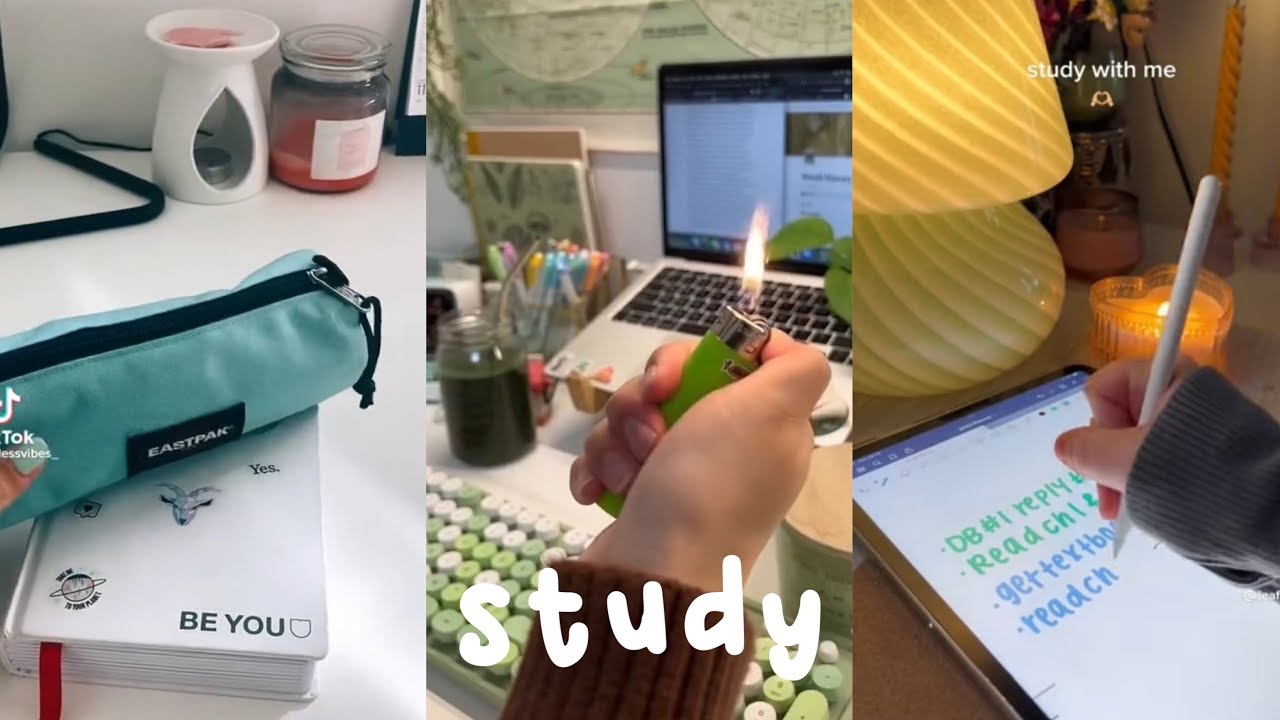
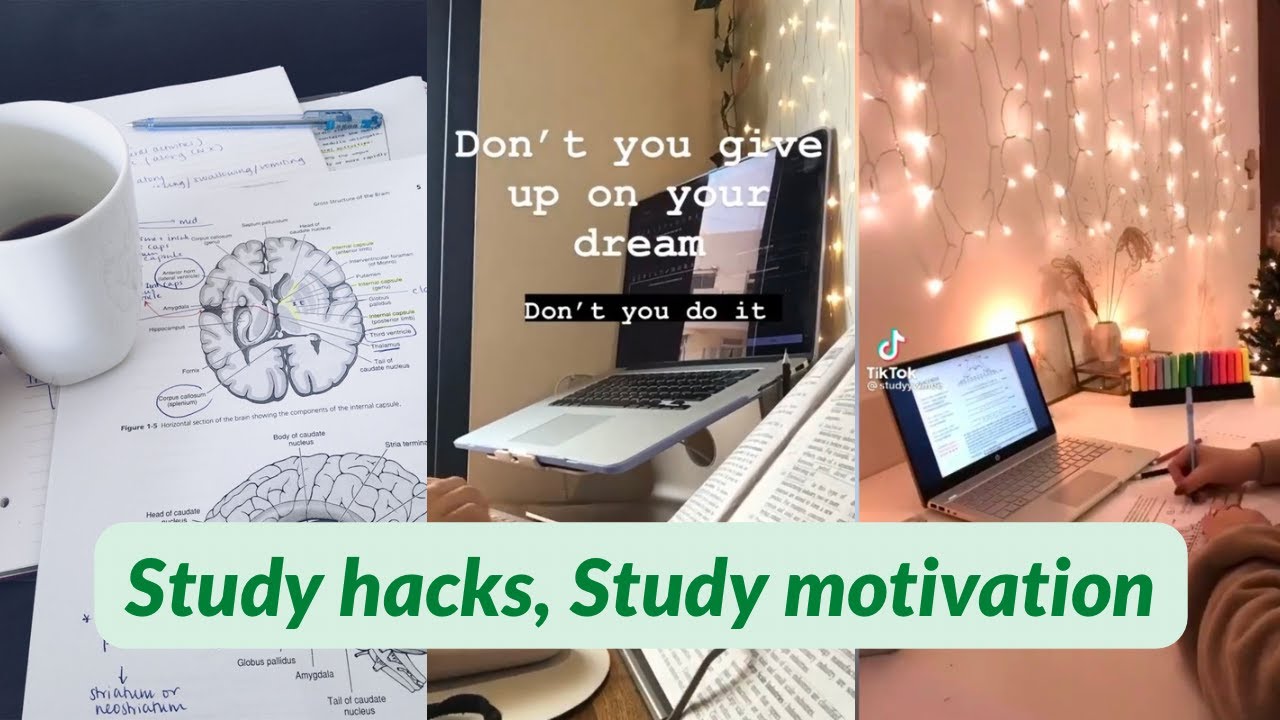
The #StudyTok community is a visual paradise. It features impeccably organized notes written with a rainbow of mildliner pens, elaborate mind maps, and students studying for hours in cozy, perfectly lit rooms. This aesthetic is undeniably appealing and can serve as great motivation to open your books. However, it’s crucial to distinguish between the performance of studying and the process of effective learning.
Many viral videos focus on the output the beautiful notes, the complex setups while glossing over the cognitive input required for knowledge to stick. The danger lies in mistaking the creation of a “study aesthetic” for the act of studying itself. You can spend three hours color-coding a timeline without ever actively engaging with the historical events it represents. The key is to harness the motivation #StudyTok provides while applying techniques that are proven to work, not just ones that look good on camera.
B. Deconstructed: The Top 5 TikTok Study Hacks and Their Scientific Validity
Let’s critically examine some of the most popular study methods trending on TikTok, evaluating their pros, cons, and the underlying cognitive principles.
Hack #1: The Pomodoro Technique (Time-Blocked Focus)
The TikTok Trend: This is arguably the king of #StudyTok. The method involves studying in focused, 25-minute intervals (called “Pomodoros”) followed by a mandatory 5-minute break. After completing four Pomodoros, you take a longer break of 15-30 minutes. Videos often show timers, people intensely working, and then enjoying their short breaks.
The Science Behind It:
The Pomodoro Technique is powerfully effective because it aligns perfectly with our understanding of attention and cognitive fatigue. The human brain is not designed to maintain high focus for hours on end. By breaking work into manageable chunks, it reduces the perception of mental workload and combats procrastination.
A. Combats Procrastination: The thought of studying for three hours is daunting. The thought of studying for just 25 minutes is far less intimidating. This “just get started” approach is a proven method to overcome initial resistance.
B. Maintains Peak Focus: Knowing a break is imminent encourages you to stay on task during the 25-minute window, minimizing the temptation to check your phone or drift off.
C. Prevents Burnout: The enforced breaks prevent the mental exhaustion that comes from prolonged focus, ensuring you can return to your work refreshed and effective.
How to Optimize It:
-
Customize the Timing: While 25/5 is standard, feel free to experiment. You might find 50 minutes of work with a 10-minute break works better for deeper tasks.
-
Use Breaks Wisely: A break is not for scrolling social media. Stand up, stretch, get a glass of water, or look out a window. This allows your brain to truly disengage and recharge.
Hack #2: Active Recall and The Feynman Technique (Retrieval Practice)
The TikTok Trend: Creators demonstrate this by closing their notes and trying to write down everything they remember about a topic on a blank sheet of paper. A related method, the Feynman Technique, involves explaining a concept in simple, layman’s terms as if teaching it to a child.
The Science Behind It:
This is one of the most robustly supported learning techniques in cognitive science. Active Recall is the practice of actively stimulating your memory during the learning process. Instead of passively re-reading text (a highly ineffective method), you are forcing your brain to retrieve information. This strengthens neural pathways and dramatically improves long-term retention.
The Feynman Technique is a specific form of active recall that tests your depth of understanding. If you can’t explain something simply, you don’t truly understand it. The process of simplifying the language and using analogies reveals gaps in your knowledge instantly.
How to Optimize It:
-
Use Flashcards (Digitally): Apps like Anki or Quizlet use built-in spaced repetition algorithms (more on that later) and are perfect for active recall.
-
Practice with Past Papers: Before looking at the answers, try to answer exam questions from memory.
-
Teach a Friend: Find a study buddy and take turns explaining concepts to each other. The act of verbalizing solidifies knowledge.
Hack #3: Spaced Repetition (The Anti-Cramming Secret)
The TikTok Trend: While less visually flashy, this principle is often mentioned by top #StudyTok creators. It involves reviewing information at systematically increasing intervals over time. Videos might show digital flashcard apps with scheduled reviews or physical revision calendars.
The Science Behind It:
Spaced Repetition is the direct antagonist to all-night cramming sessions. The Ebbinghaus Forgetting Curve hypothesizes that we forget information exponentially if we don’t review it. Spaced repetition flattens this curve. By reviewing material just as you are about to forget it, you signal to your brain that the information is important, moving it from short-term to long-term memory.
How to Optimize It:
-
Leverage Technology: Use apps like Anki, which automate the scheduling of reviews based on your performance.
-
Create a Revision Schedule: After a lecture, plan to review your notes the next day, then three days later, a week later, and so on.
-
Integrate with Active Recall: Combine both methods by using spaced repetition sessions to practice active recall, creating a powerful learning synergy.
Hack #4: Aesthetic Note-Taking (Cornell, Mind Maps, and Sketchnoting)
The TikTok Trend: This is the visual core of #StudyTok. Videos showcase the creation of beautifully formatted Cornell notes, sprawling and colorful mind maps, and sketchnotes that blend doodles with text.
The Science Behind It:
The effectiveness here is not in the aesthetics themselves, but in the cognitive processes they can encourage.
A. Cornell Method: This structured system forces you to summarize and generate questions, engaging higher-order thinking.
B. Mind Mapping: This mimics the brain’s associative nature, helping you see connections between ideas and organizing information hierarchically, which aids in understanding complex topics.
C. Sketchnoting: The act of drawing concepts, even simple ones, creates a visual and kinesthetic memory link, enhancing recall.
The Caveat (The Gimmick Alert):
The trap is “art over academia.” If you are spending 45 minutes choosing color palettes and perfecting your lettering for a single header, you are optimizing for appearance, not for learning. The benefit comes from the processing of information that happens as you decide what to write, how to connect ideas, and what visual metaphor to use.
How to Optimize It:
-
Prioritize Content Over Color: Focus on the clarity and organization of the information first. Use color and visuals as functional tools to highlight, categorize, and connect ideas, not just to decorate.
-
Don’t Fear “Messy”: Your notes are a tool for you, not a product for an audience. If a quick, messy scribble captures the idea, that’s more efficient than a flawless redraw.
Hack #5: “Study With Me” / Body Doubling
The TikTok Trend: Livestreams and videos where a creator is simply studying silently on camera, often for hours. The description encourages viewers to “study with me.” This creates a virtual study partner.
The Science Behind It:
This leverages a psychological concept known as “body doubling.” For individuals who struggle with focus, particularly those with ADHD, having another person present, even virtually, can significantly increase accountability and task initiation. It creates a low-pressure social obligation to stay on task and reduces the feeling of isolation that can come with long study sessions.
How to Optimize It:
-
Find a Live Session: Participate in a real-time “study with me” stream to maximize the feeling of shared focus.
-
Start a Virtual Study Group: Use video conferencing tools with friends. You can mute yourselves and check in during breaks.
-
Use it for the Hardest Tasks: Employ this technique specifically when tackling your most dreaded subjects to help you get started.
C. The Overlooked Pillars of Learning That #StudyTok Often Misses
While the hacks above are valuable, truly elite academic performance rests on foundational habits that are less viral but infinitely more important.
A. The Unsexy Power of Sleep
During sleep, specifically during deep sleep and REM cycles, your brain consolidates memories. It’s essentially moving information from the temporary holding area of the hippocampus to the long-term storage of the cortex. Pulling an all-nighter before an exam doesn’t just make you tired; it actively prevents the learning you did the day before from being solidified. Prioritizing 7-9 hours of quality sleep is the single most effective “study hack” that exists.
B. Strategic Nutrition and Hydration
Your brain is an organ that consumes about 20% of your body’s energy. Studying on a diet of sugar, caffeine, and processed foods is like putting low-grade fuel in a high-performance engine.
-
Focus on: Omega-3 fatty acids (found in fish, walnuts) for brain cell structure, complex carbohydrates (oats, whole grains) for sustained energy, and consistent hydration. Even mild dehydration can impair concentration and cognitive function.
C. The Critical Role of Exercise
Physical activity increases blood flow to the brain, delivering the oxygen and nutrients it needs to perform. It also stimulates the release of chemicals like BDNF (Brain-Derived Neurotrophic Factor), which is like fertilizer for your brain cells, promoting neuroplasticity the brain’s ability to learn and adapt.
D. The Undeniable Impact of Your Environment
Your study space matters more than you think. A cluttered, noisy, and distracting environment forces your brain to expend valuable cognitive resources on filtering out stimuli.
-
Optimize Your Space: Find a clean, well-lit area. Use noise-canceling headphones or white noise if necessary. Most importantly, make your study space a “phone-free zone.” The mere presence of a smartphone, even face down, has been shown to reduce cognitive capacity.
D. Building Your Personalized and Sustainable Study System
There is no one-size-fits-all solution. The goal is not to blindly copy every TikTok trend, but to become a scientist of your own learning. Here’s how to build a system that works for you:
Step 1: Diagnose Your Learning Style (Broadly)
While learning styles are more nuanced than often presented, understanding your preferences can help. Do you learn best by listening (auditory), seeing (visual), or doing (kinesthetic)? Tailor your techniques accordingly podcasts for auditory learners, diagrams for visual learners, and hands-on practice for kinesthetic learners.
Step 2: Audit Your Current Habits
For one week, simply observe how you study. How long are your sessions? How often do you get distracted? What time of day are you most alert? This data is the baseline from which you can improve.
Step 3: Synthesize and Experiment
Pick one or two techniques from this article that resonate with you. For example, commit to using the Pomodoro Technique with Active Recall for your next study session. Don’t try to overhaul everything at once.
Step 4: Review and Refine
After a week of using a new technique, ask yourself: “Did this help me understand and remember the material better? Was it sustainable?” If not, tweak it or try something else. The system is a living entity that should evolve with you.
E. Conclusion: Be a Critical Consumer, Not Just a Scroller
TikTok’s #StudyTok community has performed a valuable service by popularizing powerful learning strategies and making academic productivity a shared, communal goal. It has demystified techniques like active recall and spaced repetition for a new generation. However, the platform’s nature favors style and speed over substance and sustainability.
Your journey to academic excellence will not be built on perfectly curated notes alone. It will be built on the solid, evidence-based trifecta of Active Recall, Spaced Repetition, and a Healthy Lifestyle. Use the motivation and ideas from TikTok as a starting point, but build your study plan on the unshakeable foundation of cognitive science. By doing so, you transform from a passive consumer of trends into an active architect of your own success.